Home > Blogs & Events > Blogs
February 5, 2020

In our last piece on this topic, we examined some of the technology challenges that stymy enterprises as they try to build conversation agents, such as chatbots, for multilingual audiences. In this installment, we discuss some of the business and conceptual difficulties that enterprises face in building these solutions for global audiences.
In CSA Research’s examination of chatbots, many developers expressed a pessimistic outlook about their ability to deliver them in multiple languages. One of the largest developers stated that it assigned the likelihood of success for these projects at less than 30%. It subsequently abandoned its efforts to translate chatbots due to the high failure rate. It found that each language version, rather than being a translation, was effectively an independent development effort.
Some of the factors that lead to failure for localization of intelligent agents are:
The situation with intelligent agents today is in many respects similar to software development in the 1980s and 1990s before internationalization best practices emerged. As a result, companies are experimenting with various solutions, but clear guidance for how to localize intelligent agents is lacking.
Also note that these challenges are not limited to chatbots, but apply to any complex, algorithm-driven software or application that needs to account for fundamentally different legal, cultural, political, financial, or regulatory environments across borders, often in ways that do not line up neatly with the language of their users. For example, a chatbot or medical management system in the United Kingdom might need to deal with speakers of Polish, Urdu, or any other language and yet still reflect British law and business approaches rather than those of Poland or Pakistan. The potential combinations here can quickly overwhelm even the most disciplined of localization teams if they are not careful and require a fundamental rethinking of internationalization approaches.
In the absence of recognized best practice and development approaches for your particular applications, aligning your skills, knowledge, and technology with what is possible – and with potentially unrealistic expectations – can be challenging. Take the following actions to avoid overcommitting or being held responsible if requests for the impossible fall short:
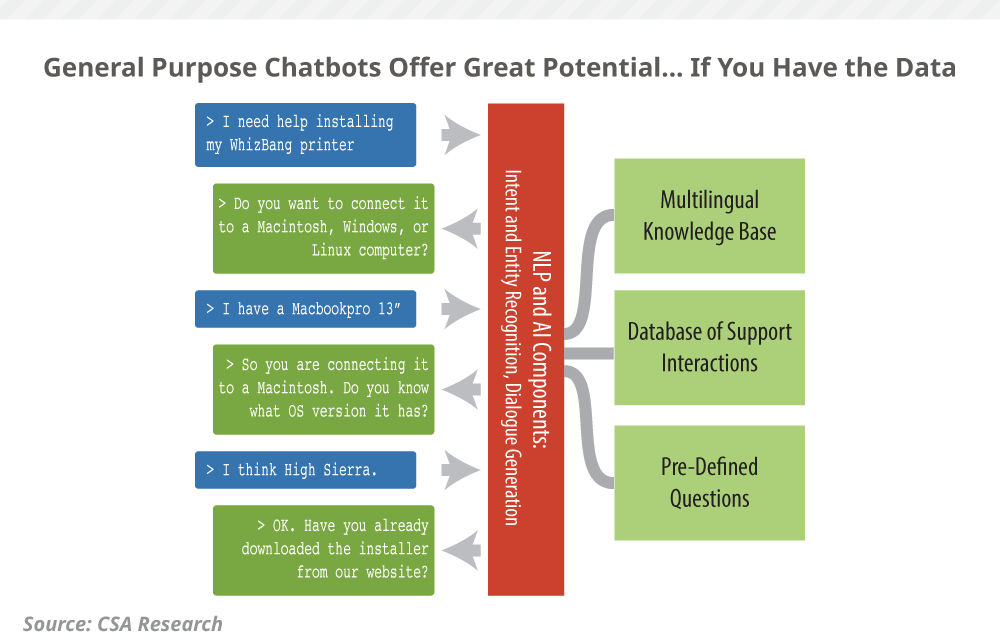
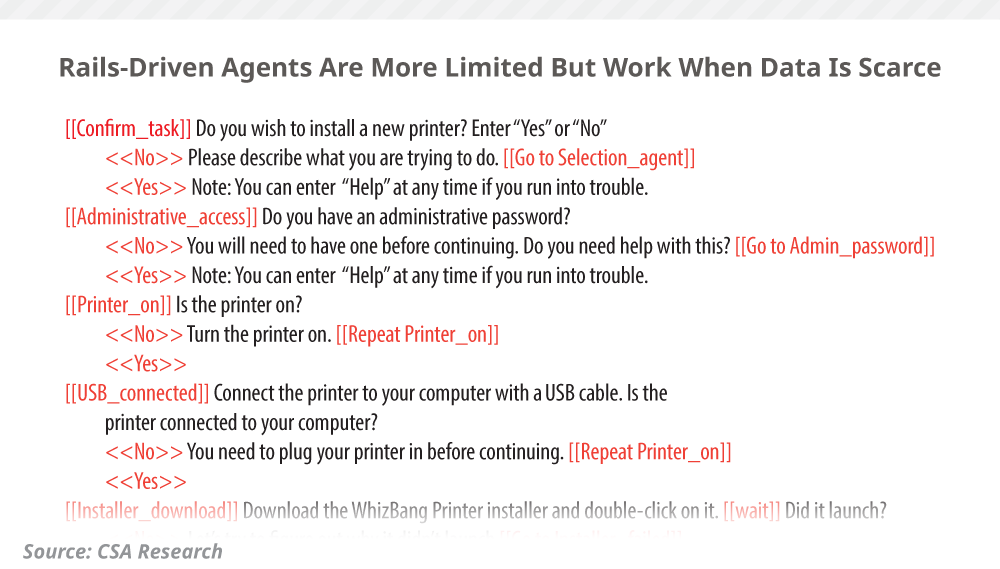
Despite the challenges organizations face in this new and rapidly changing area, with appropriate expectations, they can succeed. Doing so requires discipline and awareness of the technology and cultural difficulties that can arise, but if you educate yourself in this area, you can help your executives set appropriate goals and create realistic projects.
Subscribe to our newsletter for updates on the latest research, industry trends, and upcoming events.
Subscribe
After obtaining a BA in linguistics in 1997, I began working for the now-defunct Localization Industry Standards Association (LISA), where I headed up standards development and worked on quality assessment models. At the same time, I completed a...
Connect with Arle LommelOur consulting team helps you apply CSA Research insights to your organization’s
specific challenges, from growth strategy to operational excellence.