Home > Blogs & Events > Blogs
July 6, 2022
Listen to This Blog
“Mind the gap!” A phrase often heard at railway stations or on the subway: voiced during announcements or indicated by signs, it encourages people to avoid falling between the train and the platform. It refers to a physical distance and a dangerous hole that suitcases, legs, and small children might disappear into. It is the moment of moving between one customer experience and the next: the starting point and solution, the vehicle and the destination, the expectation and the reality. But are there other gaps?
You might think that the travel industry has globalization and localization under control; airlines have always taken pride in multilingual cabin crew and today produce apps in multiple languages; companies such as Avis, Booking.com, Hotels.com, and TripAdvisor all shine with multilingual content, and Airbnb uses language as a platform feature.
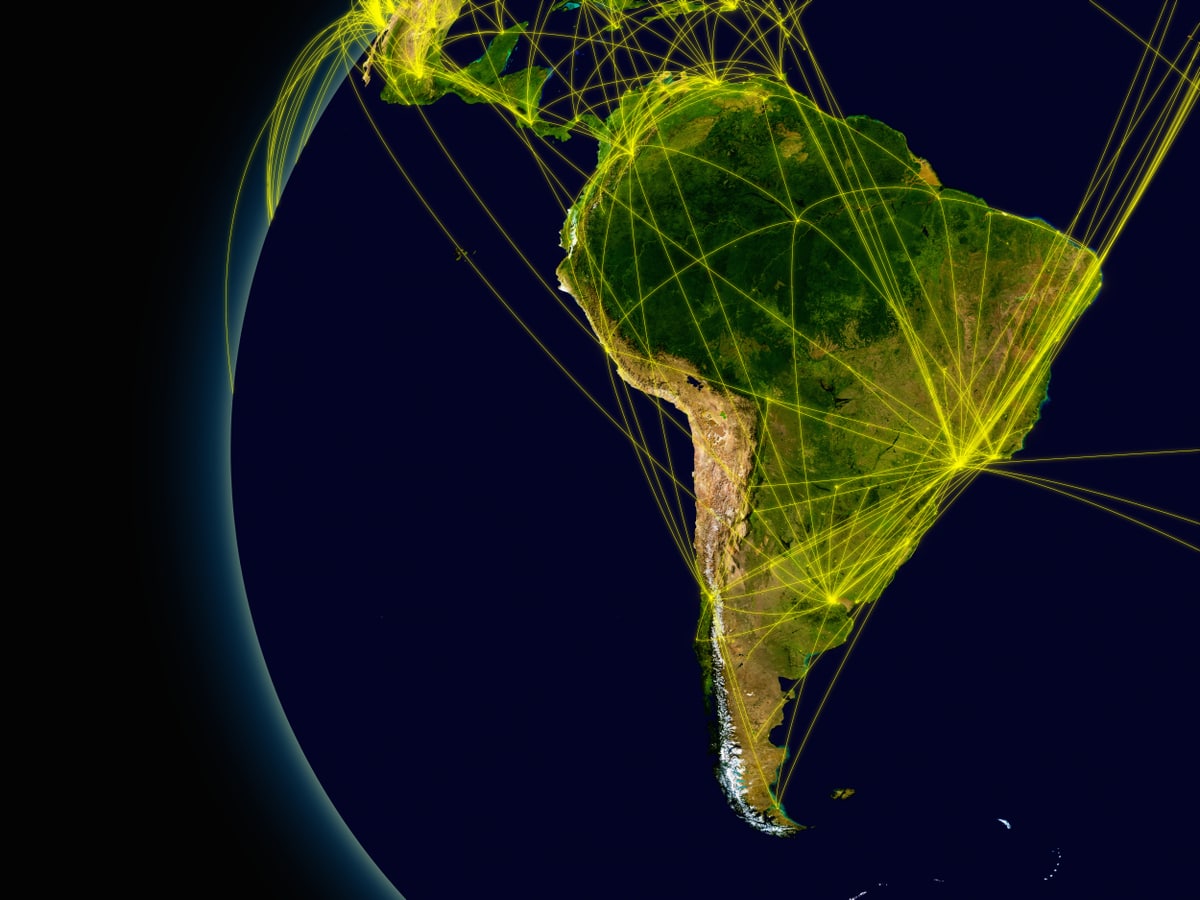
Yet, travelers commonly encounter global customer experience gaps at the point when they need them the least. Gaps are particularly visible when things go wrong at the airport, train station, hotel reception, and other places where human touch is vital, and reliance on an app may not be enough. Fast-changing pandemic rules and staffing shortages can compound the challenges. All these represent spots where – if uncared for – the end-to-end customer experience can tarnish.
Imagine:
Scenarios like these happen each and every day for travelers around the world. Language gaps damage the customer experience, add stress to what should be a pleasant event, and make voyagers consider choosing a different option next time. Lack of information in problematic situations damages customer loyalty and leads people to post negative reviews online.
What could transport companies have done better? Airport staff, train conductors, and other workers could be equipped with translation apps to enable them to push notifications displayed in the languages of travelers in all places where WiFi does not reach. MT might prove good-enough to avoid confusion, stress, panic, or anger: customers will prefer imperfect but understandable information over nothing at all. Employees could benefit from machine interpreting applications such as KITT, pioneered by Deutsche Bahn.
The common factor across these situations is to plan for ways to communicate with customers not just when all goes well but also in critical moments. That will enhance the overall experience and show the company cares. And it is not limited to physical travel on trains, boats, and planes – any customer journey has similar gaps to avoid.
It's not only the travel industry that must worry about gaps. Whether companies sell products or services or simply interact with a domestic multilingual audience, organizations must figure out where the holes are and provide solutions to overcome them. While train stations have historically announced, “Mind the gap”, to warn passengers of the danger, ideally there would be no need for a warning: a cover would automatically slide into place so that nobody notices the gap. Adopt this with your CX language gaps: address them in a way that nobody notices there was a hole in the global customer experience.
Subscribe to our newsletter for updates on the latest research, industry trends, and upcoming events.
Subscribe
Alison speaks English as a first language (both UK and USA variants), is fluent if a little rusty in French, understands Dutch better than she can speak it, and enjoys Polish grammar puzzles just for fun. She has published several fiction books, and is also a concert and festival photographer and blogger: music communicates across all languages!
Connect with Alison ToonOur consulting team helps you apply CSA Research insights to your organization’s
specific challenges, from growth strategy to operational excellence.